Cockapoo Puppy Socialization: A First-Month Checklist 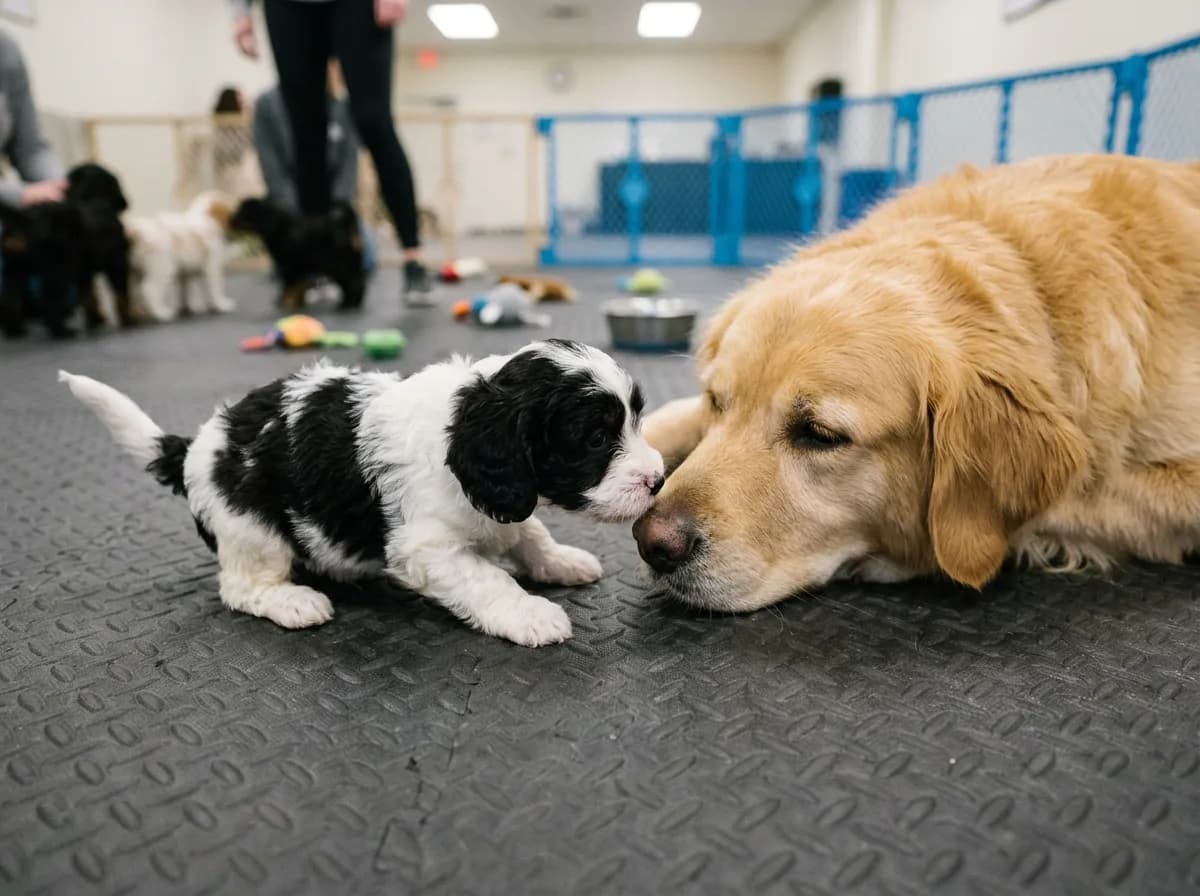 Cockapoo Puppy Socialization: Safe Steps for New Families
Cockapoo puppy socialization is the process of building positive associations with everyday people, noises, handling, places, and routines. A confident puppy does not need to greet every stranger or visit every dog park. Start with controlled, pleasant experiences, watch the puppy’s response, and increase difficulty gradually. The best plan combines patient family involvement with veterinary advice about where a partially vaccinated puppy can safely go.
Why Cockapoo puppy socialization needs a gentle approach
Early socialization is about emotional safety, not collecting as many introductions as possible. The American Kennel Club explains in its puppy socialization guidance that the first three months are an important developmental period. Positive exposure to unfamiliar sights, sounds, and people can help puppies become more comfortable with daily life.
For a Cockapoo, this might mean hearing a delivery vehicle from indoors, walking over a new floor surface, or watching someone carry an umbrella. Reward relaxed curiosity with a small treat or quiet praise. If the puppy hesitates, increase the distance rather than pulling it closer.
The American Veterinary Society of Animal Behavior supports reward-based training, using treats, toys, and encouragement instead of force.
A realistic two-week socialization plan
Repeatable routines beat exhausting outings. Adapt these suggestions to your puppy rather than enforcing fixed milestones.
Days 1–3: Make home predictable
Create a quiet resting place, consistent mealtimes, and frequent toilet breaks. Introduce one room at a time. Let the puppy observe normal household activity from a comfortable spot. The American Animal Hospital Association advises new owners to keep the early days calm and avoid overwhelming a dog with visitors.
Days 4–7: Introduce gentle handling
Practice touching paws, looking briefly at ears, putting on a collar, and presenting a soft brush. Pair each action with a reward, and stop before the puppy becomes uncomfortable.
Days 8–14: Explore safe variety
Offer different surfaces, quiet traffic sounds, a visitor sitting calmly, or a brief view of the neighborhood from your arms or another veterinarian-approved setting. Keep sessions short. If the puppy is comfortable, introduce simple name-response and recall games indoors. Ask your veterinarian about suitable puppy classes and infection risks before group activities.
Read the puppy, not the calendar
A useful socialization plan changes according to body language. Comfortable puppies may investigate, accept food, and return voluntarily after a pause. A worried puppy may freeze, turn away, hide, or refuse a treat it usually enjoys.
Try this three-step method:
- Observe: Notice whether the puppy is relaxed before moving closer to something new.
- Reward: Reinforce a calm glance, voluntary approach, or recovery after a mild surprise.
- Retreat: Add distance or end the activity when the puppy looks overwhelmed.
Do not insist that a child, visitor, or unfamiliar dog touch the puppy. Supervise children, let the puppy initiate contact, and manage introductions to resident dogs carefully.
Questions to ask before bringing a Cockapoo home
Socialization begins before pickup, so ask a breeder or rehoming source what the individual puppy has already experienced. Useful questions include whether the puppy has encountered household sounds, gentle grooming, different people, and age-appropriate veterinary care. Request actual records rather than accepting broad promises that every puppy is fully trained or socialized.
Families reviewing the PuffNStuff Cockapoos website can use these questions when discussing a puppy’s background and transition needs. Those researching young Cockapoo puppies in Virginia should confirm current information directly rather than assuming a particular puppy is available.
Before arrival, agree who handles feeding, toilet trips, training, and bedtime.
Common mistakes that slow progress
Avoid crowded dog parks, forced greetings, marathon outings, and punishment for fearful behavior. Do not confuse socialization with unrestricted contact with unknown dogs. Vaccination schedules and disease risks vary, so let your veterinarian guide safe public exposure.
Continue positive experiences as your dog grows. Seek veterinary or qualified behavior support if fear persists.
Frequently asked questions
Can I socialize a Cockapoo before vaccinations are finished?
Often, some low-risk experiences are possible before the final vaccination. Ask your veterinarian about local disease risks, puppy classes, and safe settings. Avoid exposing a young puppy to unknown dogs or potentially contaminated public areas without guidance.
How long should a puppy socialization session last?
Use brief sessions and finish while the puppy is still comfortable. A few positive minutes may be more helpful than a prolonged outing. Watch body language instead of aiming for a rigid time target.
What if my Cockapoo hides from visitors?
Give the puppy a quiet escape space and ask visitors to ignore it initially. Reward voluntary observation or approach, but never force contact. If fear is intense or recurring, consult a qualified professional.
Is meeting other dogs the most important part?
No. Socialization also includes sounds, surfaces, people, handling, and everyday household routines. Appropriate dog interactions can help, but they should be carefully chosen and supervised.
Conclusion
Cockapoo puppy socialization succeeds when each new experience builds trust rather than pressure. Keep the home predictable, introduce gentle variety, reward calm choices, and follow veterinary advice about safe exposure. Progress at the puppy’s pace, then continue practicing those skills as family life changes.